Future of Rail | Railway route restoration
Projects in the pipeline
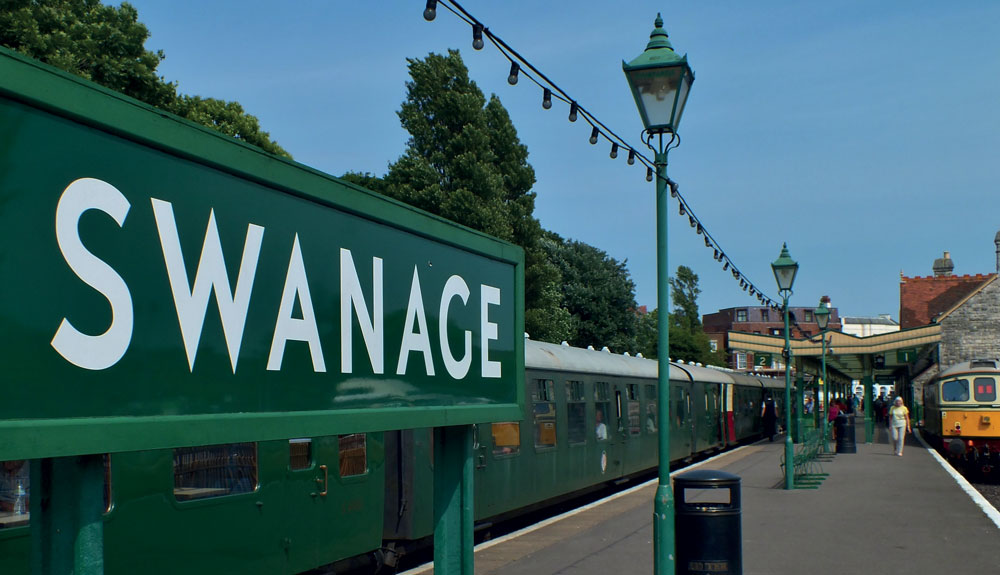 The strategic outline business case to run passenger services on the heritage railway line between Swanage and Wareham is under development
Since the Restoring Your Railway (RYR) fund was launched more than three years ago, several tranches of funding have been awarded. There are three categories of project:
The Ideas Fund – provides development funding for early-stage ideas to explore options for restoring lost rail connections. Projects coming through this route can access up to £50,000 from DfT to meet 75% of the costs of feasibility studies. Schemes must be sponsored by an MP and applicants include local government, community groups, heritage railways and local enterprise partnerships.
Advanced Proposals – supporting lines and stations already being considered for restoration and those submitted to the fund that were beyond early development. This funding aims to accelerate the development and delivery of schemes with strong existing business cases and other schemes that already have supporting analysis and are seeking a larger sum to progress further.
The New Stations Fund (NSF) – support for proposals for new stations and the restoration of old station sites. In RYR terms this is known as Round 3 and builds on the NSF launched in 2014. The NSF is an open competition and calls for bids from local authorities and other interested third parties. The fund has the aim of opening new and restored stations across England and Wales that reconnect communities to the rail network, contributing to local economic regeneration and improving access to jobs, homes and education while supporting greener travel choices.
Getting funding in the early stages of RYR, does not mean that all of those schemes funded in the first tranche are at an advanced stage as is the case with the Dartmoor Line. Some from the first tranche of funding like the Bury-Heywood-Rochdale have been halted. The progress of projects after getting the initial RYR funding is based on their economic benefit, as well as their ability to find funding for delivery.
The stages of RYR schemes before they reach construction are defined by the strategic outline business case (SOBC).
The SOBC is a milestone that defines the transport problem, sets out the objectives of a scheme and explores the options for intervention. In developing an SOBC, the DfT and Network Rail have encouraged project promoters to consider the costs, benefits, disbenefits and value for money of their schemes. They have also been asked to consider whether another transport mode, for instance bus or light rail, would better meet their community’s needs.
There are 13 projects currently on the list of schemes having progressed past SOBC.
They include:
- The Portishead Line. VolkerFitzpatrick was awarded the design and build contract for this in February
- The Aldridge Line Upgrade in the West Midlands
- The reinstatement of the Fleetwood Railway Line in the North West
- The Mid Cornwall Metro which is to restore direct services between Newquay, St Austell, Truro and Falmouth
- Reintroduction of passenger services on the Barrow Hill line between Sheffield and Chesterfield
- The Ivanhoe Line which runs from Leicester to Burton
- The Waterside Line between Totton and Hythe in Hampshire.
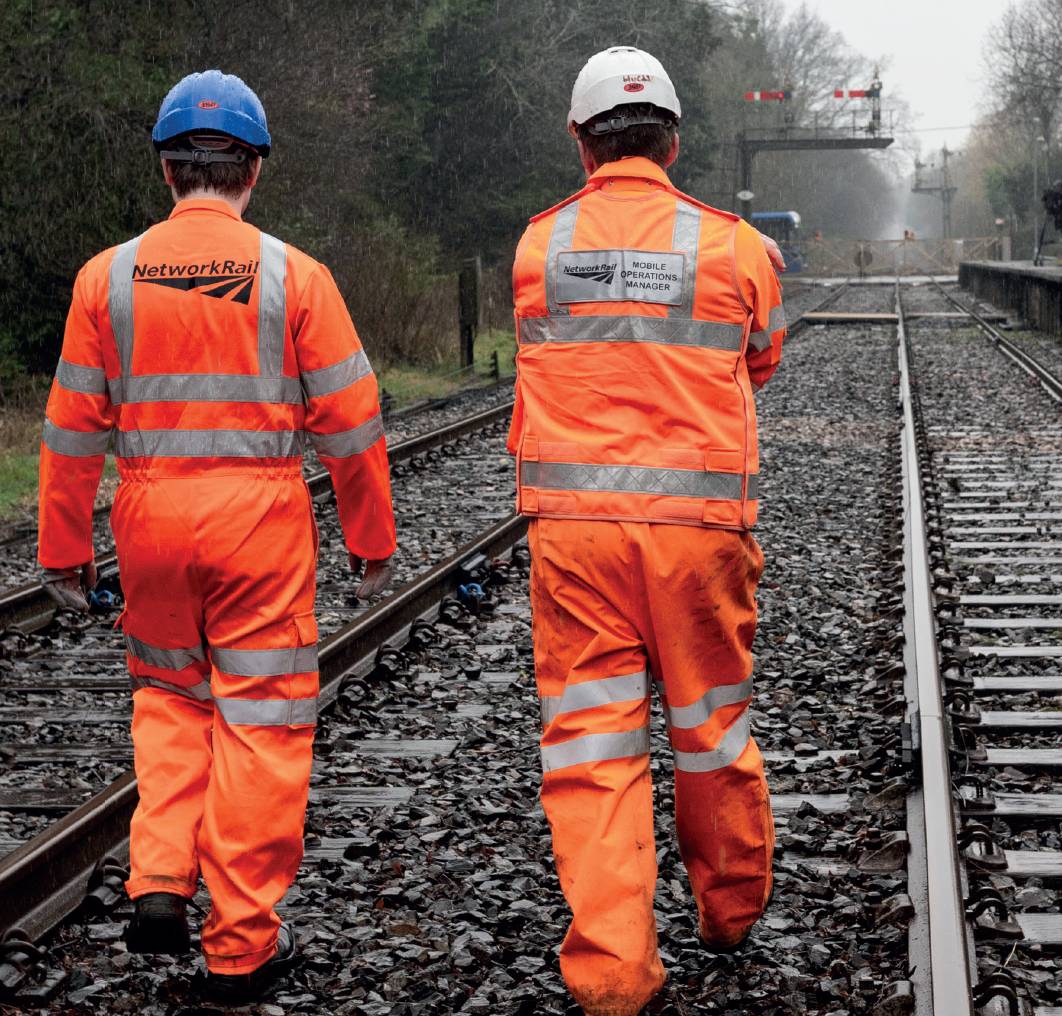 Network Rail ran a consultation last summer on upgrading the freight-only Waterside line in Hampshire to carry passenger services again for the first time in 55 years
Station projects that have progressed past SOBC include new stops at Ferryhill at Stockon-on-Tees, Deeside station in Wales, Haxby Station in Yorkshire and Lydeway in Wiltshire, which is part of a project to reinstate rail access for Devizes. On the same list are the reopening of Meir Station in Staffordshire, Wellington in Somerset and Cullompton in Devon.
The longest list with 23 projects is the schemes that are working their way towards SOBC which, unsurprisingly given their early stage, have all come through the Ideas Fund.
Examples of projects on this list include reopening the line currently used by heritage steam trains between Wareham and Swanage in Dorset to passenger traffic; reinstating the Beverley to York line; and the reopening of Corsham Station in Wiltshire.
While there are no plans to announce another tranche of RYR funding, more ideas are emerging about rail routes that communities would like to see restored. Those mooted so far this year and reported on by NCE include:
- Reopening part of the abandoned St Helens and Runcorn Gap railway on Merseyside. St Helens Council wants to reopen the 3.5km line between St Helens Junction and St Helens Central. This is seen as complementary to the local town centre regeneration plan and the council is currently in dialogue with Liverpool City Region Combined Authority about commissioning a feasibility study.
- Restoration of the 34km Leamside line from Pelaw in Gateshead to Tursdale in County Durham to connect with the East Coast Main Line. Local MPs have campaigned for the line to be reinstated for nearly 20 years and have recently discussed the plans with rail minister Huw Merriman.
- Reopening lines between Kemble and Cirencester. This scheme to reopen an 8km section of railway secured £50,000 in the first tranche of RYR funding but is listed, along with the Bury-Heywood-Rochdale line and 14 other schemes, as not progressing under RYR. In January the Cirencester Community Railway Project said it was seeking other ways to find another £50,000 to complete its feasibility studies.
- Restoration of the rail line between Skipton in Yorkshire and Colne in Lancashire has gained support from the local council. Pendle Borough councillor Tom Whipp said: “Because of climate change issues, we need a choice of transport in the future. Trains need to be one element because electric cars are not the only answer.”